Ignoring building electrical maintenance rarely feels urgent — until it is. A single overlooked fault can trigger anything from a tripped breaker and a day of downtime to an electrical fire that puts people and property at serious risk. Yet for many property owners, electrical systems are the most neglected part of routine maintenance simply because problems stay invisible until they fail.
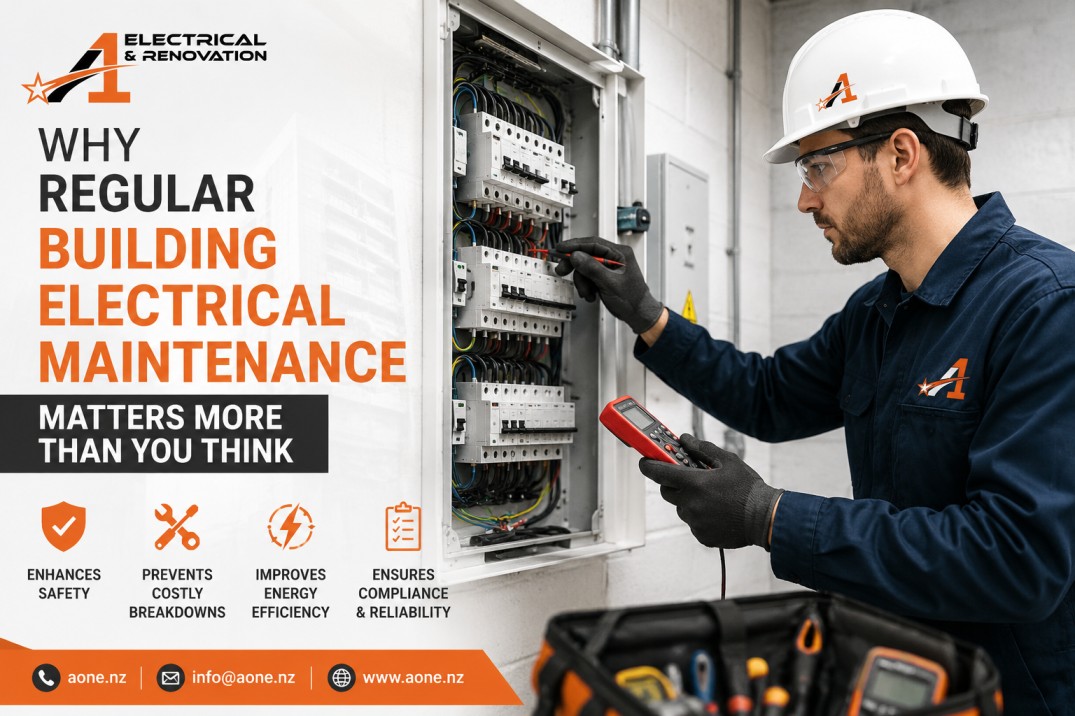
Regular building electrical maintenance is one of the most cost-effective ways to protect a property, avoid compliance issues, and prevent expensive emergency repairs. In this guide, we’ll cover why electrical maintenance matters, the warning signs to watch for, a practical maintenance checklist, and how often inspections should happen — so you can keep your building safe, compliant, and running smoothly.
What Is Building Electrical Maintenance?
Building electrical maintenance for buildings refers to the ongoing inspection, testing, and servicing of a property’s electrical systems — wiring, panels, outlets, switchboards, and safety devices — to keep them safe and functioning correctly. It differs from emergency repair work in one key way: maintenance is proactive, catching small issues before they become expensive or dangerous problems, rather than reacting after something has already failed.
Responsibility for electrical maintenance typically falls on the building owner, though in commercial settings a facility manager may oversee it, and in rental properties it’s usually the landlord’s legal obligation rather than the tenant’s.
Why Is Electrical Maintenance Important?
Preventing Electrical Fires & Hazards
Faulty wiring, overloaded circuits, and worn-out components are among the leading causes of building fires. Routine inspections catch these risks early, well before they become a genuine hazard to occupants.
Avoiding Costly Emergency Repairs
A small fault caught during a scheduled inspection is far cheaper to fix than the same fault after it causes a full system failure, equipment damage, or an after-hours emergency call-out.
Ensuring Compliance with Building Codes
Electrical systems are subject to safety regulations and building codes. Regular maintenance and documented inspections help owners stay compliant and avoid penalties or liability issues.
Protecting Equipment & Reducing Downtime
Power surges, voltage irregularities, and ageing infrastructure can damage sensitive equipment. For commercial buildings especially, unexpected electrical downtime disrupts operations and can be costly in lost productivity.
Signs Your Building Needs Electrical Maintenance
• Flickering or dimming lights
• Circuit breakers that trip frequently
• A persistent burning smell near outlets or panels
• Outlets or switches that feel warm to the touch
• Buzzing or crackling sounds from switchboards
• Discolored or scorched outlet covers
• Frequent need to reset or replace fuses
Building Electrical Maintenance Checklist
Monthly Checks
1. Test smoke alarms and emergency lighting
2. Visually inspect outlets and switches for damage
3. Check for unusual noises, smells, or warm fixtures
Quarterly Checks
4. Inspect switchboards and circuit breakers
5. Test residual current devices (RCDs) / safety switches
6. Check extension cords and portable equipment for wear
Annual Professional Inspection
7. Full electrical safety inspection by a licensed electrician
8. Thermal imaging scan of panels and connections (recommended for commercial buildings)
9. Review and update electrical compliance documentation
Commercial vs. Residential Building Electrical Maintenance
Commercial building electrical maintenance typically involves more frequent inspections, higher electrical loads, and stricter compliance requirements than residential properties, since commercial systems support more equipment and higher occupant traffic. Residential maintenance is generally lighter but no less important — ageing wiring in older homes is a common and often underestimated risk. Whatever the property type, working with a licensed electrician familiar with local compliance standards ensures nothing is overlooked.
Building Electrical Safety Maintenance Best Practices
• Always use a licensed, qualified electrician for inspections and repairs
• Keep a written maintenance log and inspection history for compliance records
• Upgrade outdated wiring, fuse boxes, or panels rather than patching repeated faults
• Don’t overload circuits or rely on multiple extension cords long-term
• Schedule inspections proactively rather than waiting for a visible problem
How Often Should Building Electrical Maintenance Be Done?
As a general guide, residential properties should have a full electrical inspection every few years, while older buildings or those with ageing wiring may need more frequent checks. Commercial and high-occupancy buildings typically require annual inspections at minimum, with more frequent checks for critical systems. The right frequency depends on the building’s age, usage, and electrical load — a licensed electrician can recommend a maintenance schedule tailored to your property.
Conclusion
Building electrical maintenance isn’t just a box to tick — it’s one of the most effective ways to protect your property, your occupants, and your budget. Small, regular checks prevent the kind of electrical failures that lead to fires, downtime, and expensive emergency repairs.
If it’s been a while since your buildings electrical system was professionally inspected, now is the time. Get in touch with A1 Electrical & Renovation to schedule a thorough electrical maintenance inspection and keep your property safe and compliant.
Frequently Asked Questions
How often building electrical maintenance should be performed?
It depends on the building’s age, type, and usage — residential properties are generally inspected every few years, while commercial buildings typically need annual checks. A licensed electrician can recommend the right schedule for your specific property.
What happens if you skip electrical maintenance?
Skipping maintenance increases the risk of electrical fires, equipment damage, and unexpected breakdowns. It can also lead to non-compliance with building safety regulations, which may create liability issues for owners.
Who is responsible for electrical maintenance in a rental property?
In most cases, the landlord or property owner is legally responsible for ensuring the electrical system is safe and well-maintained, though tenants should report issues promptly when they arise.
Is electrical maintenance required by law?
Electrical systems are subject to safety codes and compliance regulations that vary by region. Regular inspections help ensure ongoing compliance — check with a licensed local electrician for the specific requirements that apply to your property.
How much does building electrical maintenance cost?
Costs vary depending on the size of the property, the scope of the inspection, and any repairs identified. Routine inspections are generally far less costly than emergency repairs, making them a cost-effective investment overall.