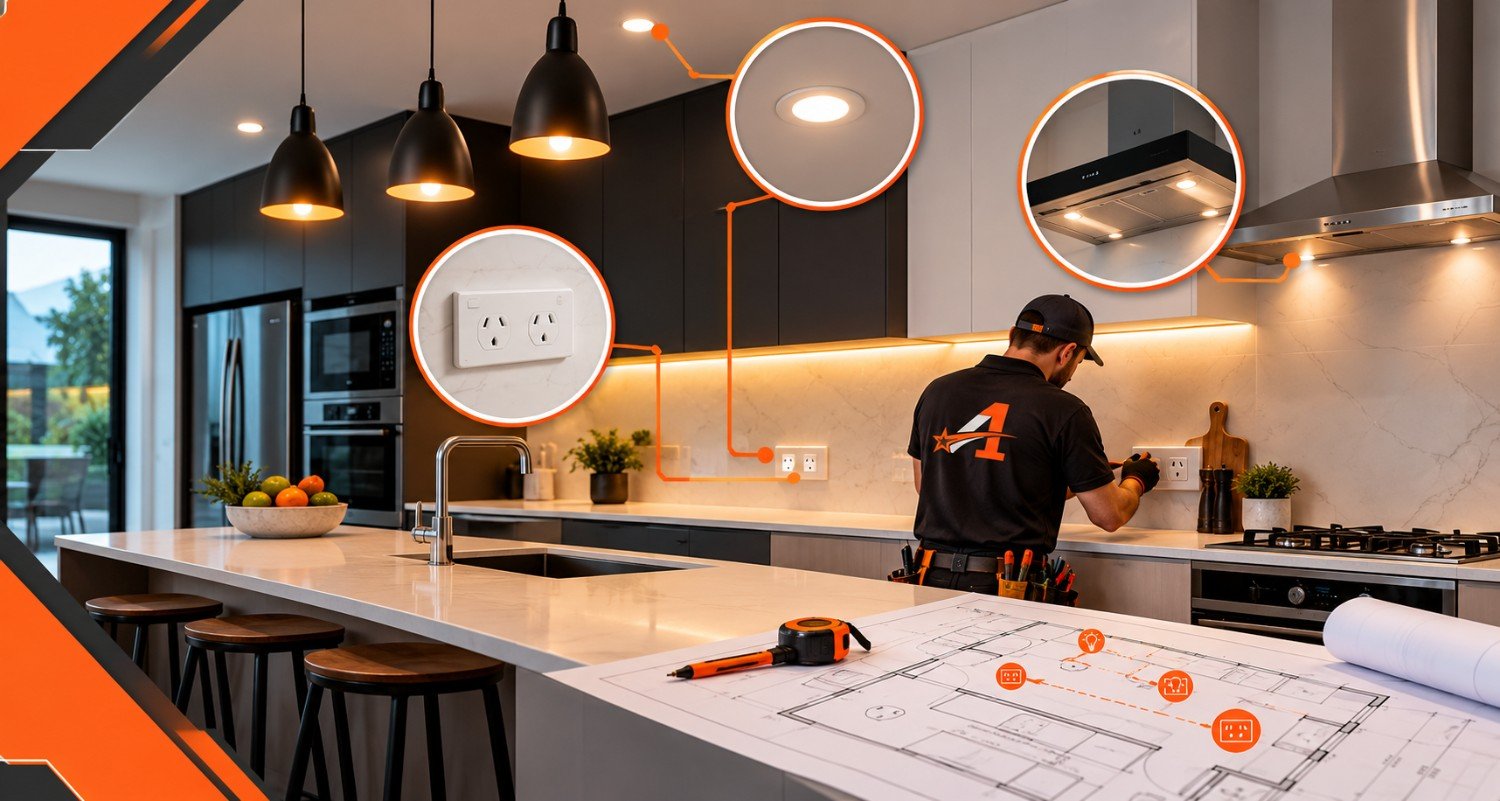
You've finally found it: the house that ticks every box. The open home went well, the location is perfect, and you're ready to make an offer. But have you thought about what's hiding behind the walls, above the ceiling and inside that old meter box?
Many buyers assume their building report covers everything. In reality, most builder's reports only give the electrics a quick glance. That's why a pre purchase electrical inspection NZ homebuyers can rely on is one of the smartest investments you can make before going unconditional. Faulty wiring, outdated switchboards and unsafe DIY work can cost thousands to fix, and in the worst cases they put your family at risk.
In this guide, the team at A1 Electrical & Renovation walks you through a complete, room-by-room electrical inspection checklist you can use at open homes, the red flags to watch for, and when it's time to call in a registered electrician.
Why You Need an Electrical Inspection Before Buying a House
Getting an electrical inspection before buying a house isn't about being fussy. It's about knowing exactly what you're paying for. Here's why it matters.
Your Builder's Report Isn't Enough
Building inspectors are experts in structure, weathertightness and moisture. They are generally not licensed to test circuits, check earthing or assess the condition of wiring. At best, a building report may note that the electrical system appears old and recommend a review by an electrician. That's your cue to get a proper inspection.
Hidden Electrical Faults Can Cost Thousands
A full rewire of an older home can easily run into five figures, and a switchboard upgrade adds more on top. Discovering these costs after settlement is a painful surprise. Finding them before you sign gives you choices.
Safety for You and Your Family
Deteriorated wiring, missing safety switches and overloaded circuits are common causes of house fires and electric shocks. Unsafe electrics can also create problems with your home insurance. Peace of mind on move-in day is priceless.
Use the Findings to Negotiate
A written report from a registered electrician is a powerful negotiation tool. You can ask the vendor to fix issues before settlement, reduce the price to cover repairs, or walk away if the problems are too big.
Your Room-by-Room Electrical Inspection Checklist
Use this electrical inspection checklist at open homes and pre-settlement visits. It won't replace professional testing, but it will help you spot warning signs early.
1. The Switchboard (Meter Board)
The switchboard is the heart of your home's electrical system, so start here.
• Does it have old ceramic rewireable fuses or modern circuit breakers?
• Is there RCD (safety switch) protection? Look for a switch with a "T" or "Test" button.
• Look for scorch marks, melted plastic, buzzing noises or a burning smell.
• Are covers missing, cracked or loose?
• Does it look big enough to handle modern demands such as heat pumps, induction cooktops or a future EV charger?
2. Wiring Type and Age
• Ask the vendor or agent when the house was last rewired.
• If you can safely look into the ceiling space or under the floor, check for old black rubber-insulated cables or brittle, cracked sheathing.
• Watch for tangled "spaghetti" wiring, joins wrapped in tape, or cables lying loose. These are often signs of DIY work.
3. Power Points and Light Switches
• Check for cracked, loose or discoloured power points.
• Feel switches and outlets. Are any warm to the touch?
• Count the power points. Heavy use of multiboxes and extension leads usually means the home doesn't have enough outlets.
• Flick the lights on. Do any flicker, buzz or dim when appliances turn on?
4. Kitchen, Bathroom and Laundry
Water and electricity don't mix, so wet areas need extra attention.
• Are power points a safe distance from sinks, basins, showers and baths?
• Are extractor fans and heated towel rails installed neatly and working?
• Is there RCD protection covering these areas?
5. Lighting and Ceiling Space
• Older halogen downlights can get very hot. Check they aren't buried under or touching ceiling insulation, which is a known fire risk.
• Look for loose transformers, uncovered junction boxes or damaged cables in the roof space.
6. Outdoor Electrics
• Are outdoor power points weatherproof and in good condition?
• How are sheds, garages and garden lights powered? Watch for extension leads run permanently outside.
• Check the condition of the mains supply cable and where it enters the house.
7. Smoke Alarms and Safety Devices
• Are there working smoke alarms in hallways and near bedrooms?
• Are they hard-wired or battery-operated, and are they within their expiry date?
8. Paperwork to Ask the Seller For
• A Certificate of Compliance (CoC) and Electrical Safety Certificate (ESC) for any recent electrical work.
• Check the LIM report and council records for consented renovations and alterations.
• If a renovation was done recently but there is no paperwork, ask why.
Quick-Reference Checklist
|
Area |
What to Look For |
Pass / Fail |
|
Switchboard |
Circuit breakers, RCD protection, no scorch marks |
☐ / ☐ |
|
Wiring |
No rubber insulation, no DIY joins, recent rewire |
☐ / ☐ |
|
Power points & switches |
Not cracked, loose or warm; enough outlets |
☐ / ☐ |
|
Wet areas |
Safe distances, RCD protection, working fans |
☐ / ☐ |
|
Lighting & ceiling |
Downlights clear of insulation, tidy cabling |
☐ / ☐ |
|
Outdoor |
Weatherproof outlets, safe supply to sheds/garage |
☐ / ☐ |
|
Smoke alarms |
Present, working, in date |
☐ / ☐ |
|
Paperwork |
CoC / ESC available for recent work |
☐ / ☐ |
Common Electrical Problems in Older NZ Homes
Character homes are part of what makes New Zealand special, but they often come with old house wiring problems NZ buyers should know about. Here's what to expect by era.
Villas and Bungalows (Pre-1950s)
These homes may still contain original or early rubber-insulated wiring, which becomes brittle and cracks with age. Ceramic fuses, few power points and no earthing on some circuits are also common. A full rewire is often recommended.
1960s–1980s Homes
Wiring from this era is usually TPS (plastic-sheathed) cable, which is generally more durable. However, switchboards are often outdated, RCD protection is usually missing, and the number of outlets rarely suits modern living.
1990s and Renovated Homes
The wiring may be newer, but look closely at renovations. Extensions, kitchens and bathrooms added without consent can hide non-compliant DIY electrical work. This is where paperwork matters most.
Red Flags That Mean "Call an Electrician Now"
If you notice any of the following during an open home, don't go unconditional until a registered electrician has taken a look:
• A burning or fishy smell near outlets or the switchboard
• Switches or power points that are hot to the touch
• Circuits that trip or fuses that blow regularly
• Sparks, crackling or buzzing sounds
• No RCD / safety switch on the switchboard
• Exposed, damaged or taped-up wiring
• Lights that dim or flicker without reason
Tip from our team: A few hundred dollars spent on an inspection now can save you thousands after settlement. Make it a condition of your offer.
What Happens During a Professional Pre-Purchase Electrical Inspection?
A professional pre purchase electrical inspection NZ buyers receive from a registered electrician goes far beyond what you can see with your eyes.
What a Registered Electrician Checks
• Switchboard condition, capacity and protection devices
• Insulation resistance and earthing tests
• RCD operation testing
• Condition and type of wiring throughout the home
• Power points, switches, light fittings and fixed appliances
• Signs of non-compliant or unsafe past work
How Long It Takes
Most standard homes take around one to two hours to inspect, depending on size, age and access to the ceiling and subfloor.
The Report You Receive
You'll get a clear, plain-English report listing any issues, how urgent they are, and recommended fixes. You can share this with your lawyer, lender or the vendor's agent.
How Much It Costs in Auckland
The cost of a home electrical inspection Auckland buyers book depends on the size and age of the property. Contact A1 Electrical & Renovation for a fixed, upfront quote with no hidden surprises.
DIY Walk-Through vs Professional Inspection
|
Feature |
DIY Checklist |
Professional Inspection |
|
Cost |
Free |
Fixed fee |
|
Spots visible warning signs |
✔ |
✔ |
|
Tests circuits, earthing and RCDs |
✘ |
✔ |
|
Checks hidden wiring |
Limited |
✔ |
|
Written report for negotiation |
✘ |
✔ |
|
Repair cost guidance |
✘ |
✔ |
Our advice: use the DIY checklist to shortlist properties, then book a professional inspection for the one you're serious about.
Why Auckland Homebuyers Choose A1 Electrical & Renovation
When you need a reliable home electrical inspection Auckland wide, A1 Electrical & Renovation is here to help.
• Registered, licensed electricians who know Auckland homes inside out
• Fast turnaround to fit tight due-diligence and settlement deadlines
• Clear, easy-to-read reports with prioritised recommendations
• Repairs and renovations under one roof, from switchboard upgrades to full rewires and renovations
• Local service across Auckland, including Papakura and surrounding suburbs
Frequently Asked Questions (FAQs)
1. Is an electrical inspection included in a standard building inspection in NZ?
Usually not in detail. Most building inspectors only note visible electrical concerns and recommend a separate check by a registered electrician.
2. How much does a pre-purchase electrical inspection cost in Auckland?
It depends on the size, age and access of the property. Contact A1 Electrical & Renovation for a fixed, upfront quote.
3. How long does an electrical inspection take?
Most homes take one to two hours. Larger or older properties may take longer.
4. What is a Certificate of Compliance (CoC), and should the seller provide one?
A CoC is issued by a licensed electrician to confirm that certain electrical work meets New Zealand safety standards. If electrical work was done recently, it's reasonable to ask the seller for it.
5. How do I know if a house has old or unsafe wiring?
Warning signs include ceramic fuses, no safety switch, brittle or black rubber-coated cables, warm switches, flickering lights and frequent tripping. A professional inspection will confirm it.
6. Can I negotiate the house price based on electrical faults?
Yes. A written electrician's report gives you solid evidence to request repairs or a price reduction before going unconditional.
7. Do I need to rewire an older villa or bungalow?
Not always, but many pre-1950s homes benefit from a partial or full rewire. An inspection will tell you what's safe to keep and what needs replacing.
8. Can I get an electrical inspection done before going unconditional?
Absolutely, and you should. Make it part of your due-diligence conditions so you have time to act on the results.
Conclusion: Buy With Confidence, Not Surprises
Buying a home is one of the biggest decisions you'll ever make. Don't let hidden electrical problems turn your dream home into a costly headache. Use this electrical inspection checklist at every viewing, watch for the red flags, and always book a professional pre purchase electrical inspection NZ buyers can trust before you sign.
Ready to buy with confidence? Book your pre-purchase electrical inspection with A1 Electrical & Renovation today. Call [PHONE NUMBER] or visit www.aone.nz to request a quote.